
Sustainability
Namibia's Rangeland Farming Approach
Extensive grazing, climate-smart & natural diets
Land Use & Zero Deforestation
Protecting landscapes with certified strict policies
Sustainable Development Goals Alignment
Food security, climate action & responsible production.
Conservation History & Commitment
Conservation legacy & sustainable coexistence for all
Namibia’s Rangeland Farming Approach
Namibia’s vast and diverse landscapes provide an ideal environment for extensive rangeland farming, a cornerstone of the country’s sustainable livestock production and premium beef quality.
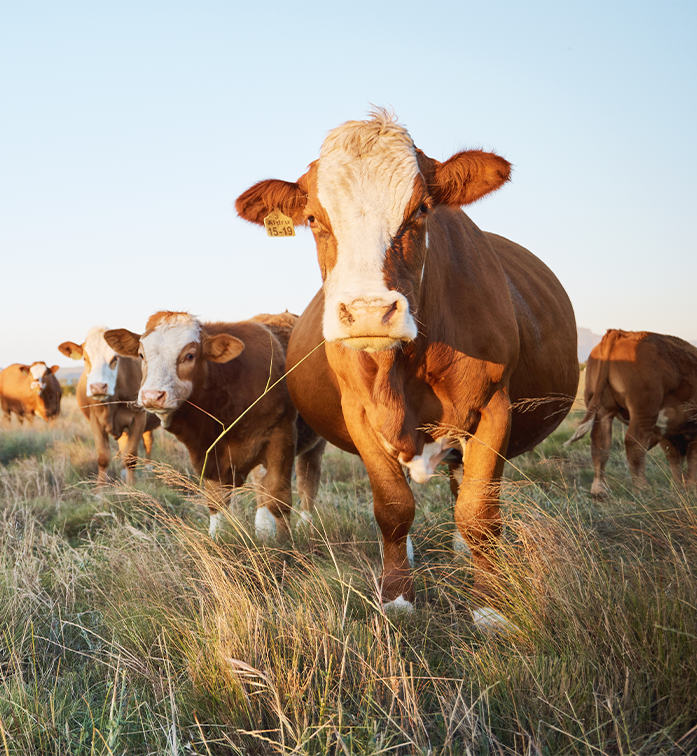
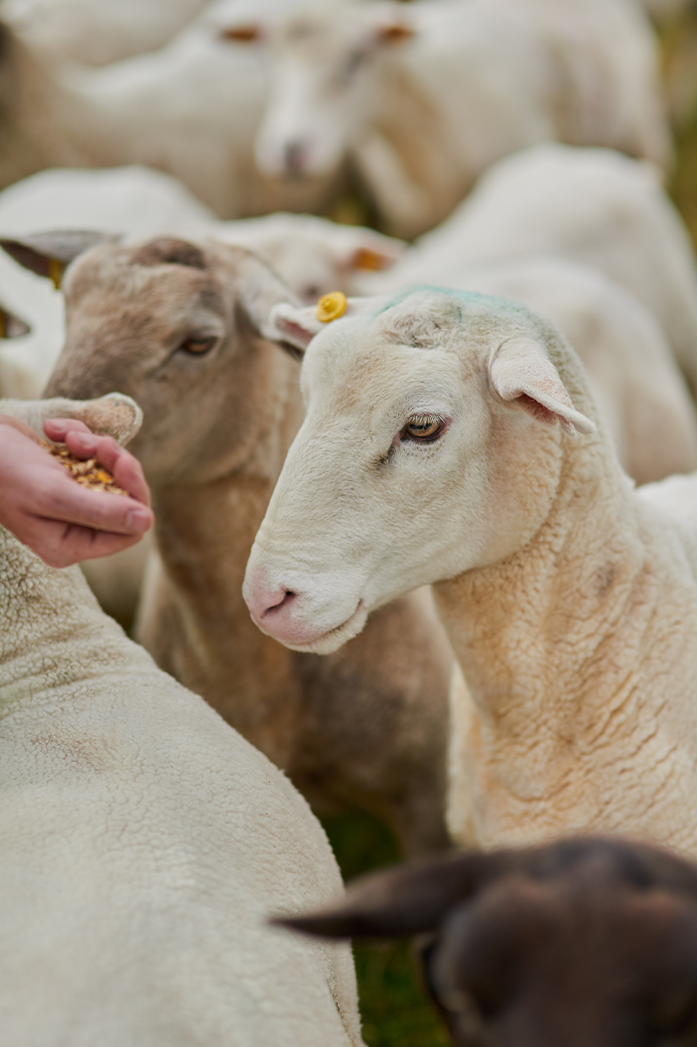
Extensive Grazing Systems
Namibian farmers utilise large natural rangelands where cattle graze freely on indigenous grasses and vegetation. This low-input system supports animal health and welfare by allowing natural behaviours and diets.
Adaptation to Arid Conditions
The farming approach is specifically adapted to Namibia’s semi-arid and arid climates. Rangeland management focuses on balancing stocking rates with vegetation regeneration to prevent overgrazing and land degradation.
Sustainable Land Use Practices
Farmers employ rotational grazing, controlled stocking, and rest periods to maintain soil health, preserve biodiversity, and reduce erosion—ensuring the long-term productivity of rangelands.
Natural Diet & Meat Quality
Cattle raised on natural rangelands consume a diverse range of native forage plants, contributing to the lean, flavourful, and distinctive quality of Namibian beef.
Water Resource Management
Rangeland farmers implement efficient water management techniques, such as boreholes and water points strategically placed to reduce environmental impact and support livestock needs.
Community & Cultural Importance
Rangeland farming supports rural livelihoods and traditional ways of life, fostering community resilience and stewardship of natural resources.
Alignment with Environmental Goals
Namibia’s rangeland approach aligns with national and international sustainability objectives, promoting climate resilience and conserving ecosystems while producing high-quality meat.
Land Use Classifications & Zero-Deforestation Commitment
Namibia’s approach to land use and environmental stewardship plays a crucial role in sustainable livestock production under the FAN Meat Scheme.
By integrating land use planning with strong environmental safeguards, FAN Meat supports sustainable livestock farming that protects Namibia’s landscapes for future generations.
Land Use Classifications
Namibia’s diverse landscapes are classified into various land use types that guide sustainable agriculture and conservation efforts:
Communal Grazing Areas
Predominantly used by small-scale farmers, these areas support traditional livestock grazing with community-based management systems.
Commercial Farmlands
Privately owned farms focused on large-scale cattle production, often implementing modern rangeland management and conservation practices.
Protected Areas & Conservancies
Zones designated for wildlife conservation and ecosystem preservation, often co-managed with local communities to balance biodiversity with sustainable use.
Bushland & Savanna
Natural vegetation types that provide essential forage resources and habitat for both livestock and wildlife.
Dryland & Arid Zones
Areas with low rainfall, requiring adaptive grazing strategies to prevent land degradation and support resilience.
Zero-Deforestation Commitment
FAN Meat and its producers are dedicated to protecting Namibia’s unique ecosystems through a strict zero-deforestation policy:
No Conversion of Forest or Woodland
No natural forest or woodland areas are cleared for livestock farming or feed production, preserving biodiversity and carbon sinks.
Sustainable Grazing Practices
Farming practices prioritize maintaining native vegetation cover and soil health, preventing land degradation and promoting ecosystem services.
Monitoring & Compliance
Regular satellite monitoring and field inspections by the Ministry of Environment, Forestry and Tourism ensure adherence to zero-deforestation commitments throughout the supply chain.
Support for Reforestation & Land Rehabilitation
Where necessary, producers engage in land restoration projects to enhance environmental health.
Alignment with International Standards
This commitment aligns with global efforts such as the EU Deforestation Regulation (EUDR) and other sustainable sourcing initiatives, reinforcing FAN Meat’s position as an ethical and responsible brand.
United Nations Sustainability Development Goals Alignment
United Nations Sustainability Development Goals (SDGS) are a set of 17 global goals adopted by all UN member states in 2015 as part of the 2030 Agenda for Sustainable Development.
They provide a universal framework to end poverty, protect the planet, and ensure prosperity for all by 2030. Each goal has specific targets (169 in total) and indicators that guide progress toward sustainable development in social, economic, and environmental dimensions.
Conservation History & Commitment
Conservation History & Commitment Of Namibia
Namibia is globally recognised as a pioneer in wildlife conservation and sustainable land use. Its commitment to preserving biodiversity and promoting responsible natural resource management forms a critical part of the FAN Meat ethos.
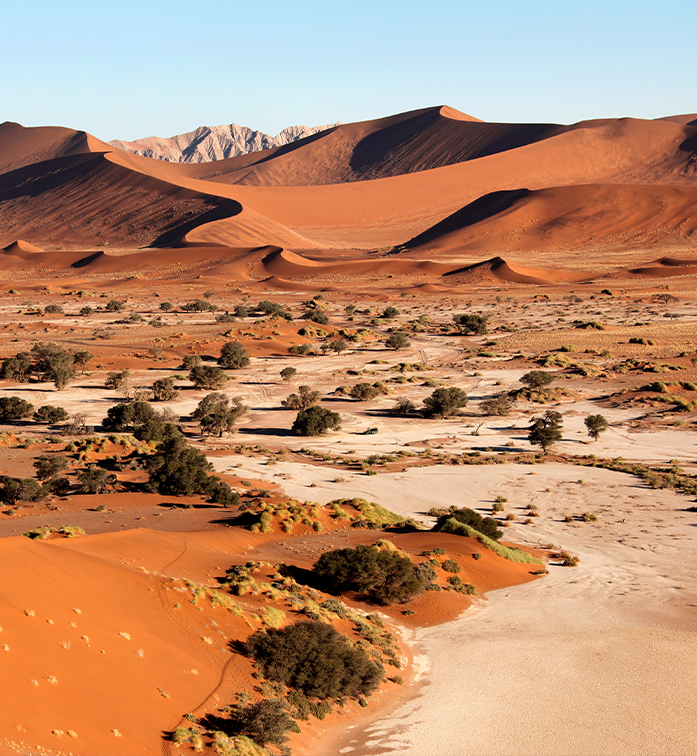
A Legacy of Conservation Leadership
World’s First Constitution with Conservation Clause
In 1990, Namibia became the first country in the world to include environmental protection in its national constitution, establishing a legal foundation for sustainable development and conservation.
Community-Based Natural Resource Management (CBNRM)
Namibia launched its CBNRM program in the 1990s, empowering rural communities to manage and benefit from wildlife and natural resources.
Today, over 86 communal conservancies cover approximately 20% of the country, integrating conservation with livelihoods and livestock farming.
Protected Area Network
Nearly 40% of Namibia’s land is under some form of conservation management—one of the highest percentages globally. This includes national parks, private reserves, and communal conservancies.
Commitment to Sustainable Coexistence
Wildlife and Livestock Coexistence
Namibia promotes farming models where livestock and wildlife can coexist, supported by rangeland management practices that preserve habitat and biodiversity.
Combating Land Degradation
National programs focus on restoring degraded land, preventing bush encroachment, and promoting sustainable grazing systems that maintain ecological balance.
Climate-Resilient Agriculture
Namibia invests in conservation agriculture and climate-smart livestock farming to ensure long-term resilience in the face of arid conditions and climate variability.
Zero-Deforestation Pledge
The country’s agricultural and livestock sectors, including FAN Meat is committed to protecting Namibia’s woodland and savanna ecosystems.
Need more information about FAN Meat?